Colombia stops US intel cooperation over drug vessel strikes
Colombia halts intelligence sharing with US after attacks on drug ships
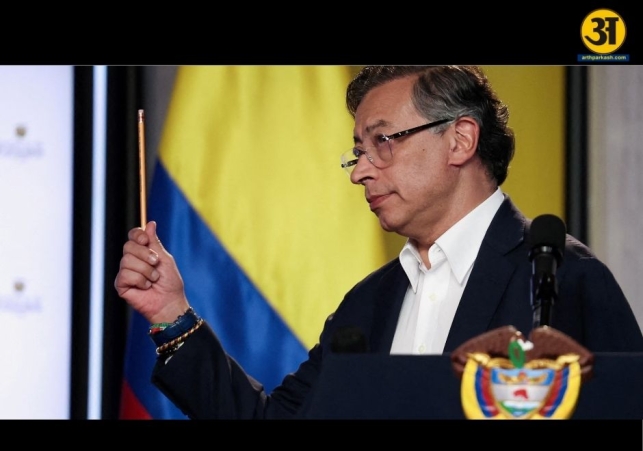
Colombian President Gustavo Petro has ordered his country’s security forces to stop sharing intelligence with the United States. This decision comes as tensions rise between the two nations over US military strikes on boats suspected of carrying drugs in the Caribbean and Pacific regions. The strikes, which have killed at least 75 people since August, were reported by the Trump administration and have drawn strong criticism from Petro, who called them extrajudicial executions.
In a statement on X (formerly Twitter), President Petro wrote that Colombia’s military must immediately halt “communications and other agreements with US security agencies” until the US stops attacking speedboats suspected of transporting drugs. Petro emphasized that the fight against drugs must respect human rights and criticized the US for the loss of civilian lives.
The details of what specific intelligence Colombia will stop sharing with the United States were not immediately clear. However, the move signals a serious strain in relations between two countries that have historically cooperated closely in the fight against drug trafficking.
Background of the strikes and international reaction
The US military began these strikes in the southern Caribbean and later expanded operations to the eastern Pacific, targeting vessels off the coast of Mexico. According to reports from the Trump administration, at least 75 people have died as a result of these actions. Critics argue that these strikes often occur without due process and could constitute extrajudicial killings.
President Petro has also called for US President Donald Trump to be investigated for war crimes over these strikes. The operations have affected citizens not only of Colombia but also of Venezuela, Ecuador, and Trinidad and Tobago. Petro’s administration argues that such attacks violate international law and put the lives of innocent people at risk.
Relations between Colombia and the US had already been tense following Trump’s financial sanctions on Petro and members of his family in October. The sanctions accused Petro of allowing drug cartels to flourish and failing to prevent drug trafficking into the United States. Treasury Secretary Scott Bessent stated that the sanctions were aimed at protecting the US and sending a clear message against drug trafficking. Petro, however, has consistently denied any involvement with drug cartels and criticized the US for targeting his country’s citizens.
The White House had no immediate comment on Petro’s recent decision to suspend intelligence sharing. Analysts suggest that this move could complicate joint operations against drug trafficking in the region and weaken cooperation on security issues that require coordination between both countries.
ALSO READ: The AI boom: innovation surge or bubble waiting to burst?
ALSO READ: The fall of the Berlin Wall: A turning point that reshaped global politics
Impact on Colombia-US relations
The suspension of intelligence sharing is likely to have wide-ranging effects. For years, Colombia has been a key partner for the United States in controlling drug trafficking in South America. Both countries have coordinated on military operations, intelligence gathering, and border security. Stopping communication could hinder efforts to monitor and intercept illegal drug shipments and may lead to increased tensions in diplomatic and security relations.
Experts say that Petro’s decision is part of a broader approach to assert Colombia’s sovereignty and prioritize human rights over military interventions by foreign powers. By halting intelligence cooperation, Petro is signaling that Colombia will not condone strikes that put civilians at risk or violate international norms.
The decision also comes amid domestic political pressures in Colombia. Petro has faced criticism from opposition leaders for his handling of drug cartels and security issues. By taking a strong stand against US strikes, Petro is positioning himself as a defender of national sovereignty and human rights, while also responding to public concerns about civilian casualties caused by military actions in international waters.
Analysts note that this move could escalate tensions with the US administration and affect ongoing financial and diplomatic relations. Joint operations to combat drug trafficking may slow down, and there could be delays in sharing critical intelligence that previously helped both countries track criminal networks.
The situation highlights the challenges of balancing anti-drug operations with human rights concerns. While the US maintains that its strikes target criminal activities that threaten national and regional security, Petro’s administration stresses that these actions must not come at the cost of civilian lives. The dispute underscores the complexity of international cooperation in tackling drug trafficking, where differing priorities and legal interpretations can lead to diplomatic friction.
In conclusion, Colombia’s decision to suspend intelligence sharing with the US marks a significant shift in bilateral relations. The suspension follows military strikes that killed dozens of people and raises questions about accountability, sovereignty, and the protection of human rights. Both nations now face the challenge of navigating security cooperation while addressing political disagreements and the concerns of affected populations. As the situation develops, it will test the ability of Colombia and the United States to work together on drug control while respecting international law and human rights.
Related News